Height
Taller panels use more material per metre and need longer posts set deeper in the ground. A privacy-height boundary fence costs noticeably more per metre than a low front fence of the same material.

NEW ZEALAND / OUTDOOR LIVING
Cost guide · Updated 2026
Reviewed by the Impact Outdoors Team
A fence in New Zealand is priced per metre, and the rate mostly comes down to five things: how tall it is, how long the run is, how many gates it needs, the ground it sits on, and whether an old fence has to come out first. Material matters too, mostly in what the fence costs to look after over the years.
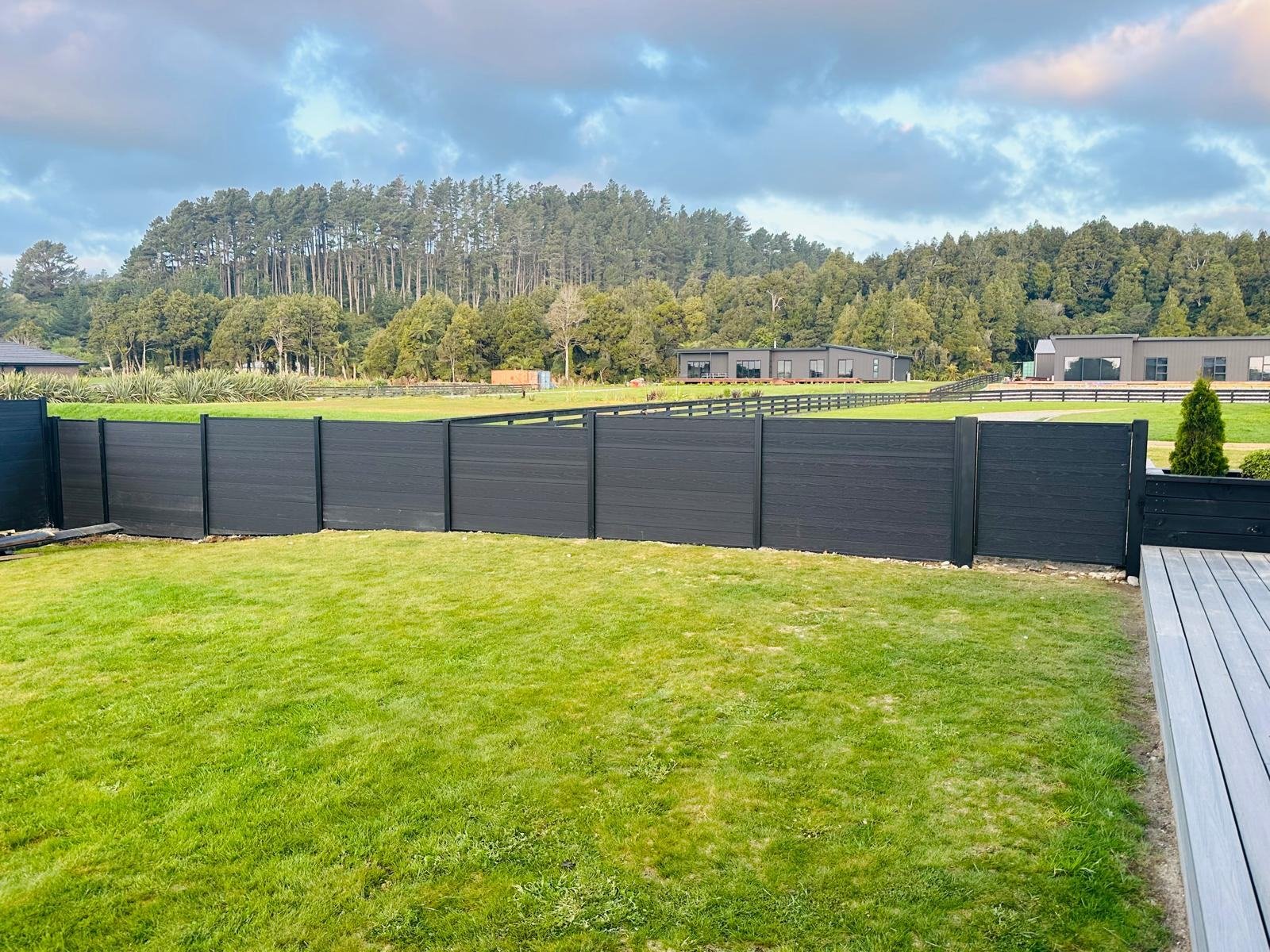
Taller panels use more material per metre and need longer posts set deeper in the ground. A privacy-height boundary fence costs noticeably more per metre than a low front fence of the same material.
Set-up, travel and post-hole digging are spread across every metre, so a long straight run usually works out cheaper per metre than several short sections. Corners and changes of direction each add a post and more labour.
Gates are priced separately from the fence line. Each one needs its own posts, hinges and latch, and a wide driveway gate costs more than a single pedestrian gate.
Flat, clear ground is quickest to fence. A slope means stepping the panels, and rock, tree roots or concrete slow down every post hole. Retaining a bank is a separate job from the fence itself.
If an existing fence is coming down, taking it apart and disposing of it is labour and tip fees on top of the new fence. Ask whether each quote includes removal.
If materials have to be carried down a long side path or over a finished garden, installation takes longer than on an open section.
Our fences are PVC (vinyl). The upfront price is only part of the comparison: what a fence needs over the years, and how fast it goes up, matter too.
| PVC (vinyl) | Timber fencing | |
|---|---|---|
| Maintenance | No sanding or painting | Periodic staining or painting |
| Weather | Handles rain and moisture better than wood | Can rot in damp ground over time |
| Strength | Bottom rails reinforced with aluminium | Depends on timber grade and treatment |
| Install | Lightweight panels for a faster install | Heavier, more on-site work |
More detail: PVC vs timber fencing compared and WPC vs PVC fencing.
Read the exemption in the Building Act, Schedule 1, or see our building consent guides by council.
Because height, gates, ground and removal change the rate so much that a single per-metre figure is usually wrong for your fence. A free onsite measure gives you a fixed quote for your exact run.
If you don’t want to stain or paint a fence every few years, yes. Timber suits you if you want natural grain and are happy to maintain it.
See our PVC fencing and gates, or fencing in Wellington, Tauranga, Christchurch, Dunedin and Auckland.