
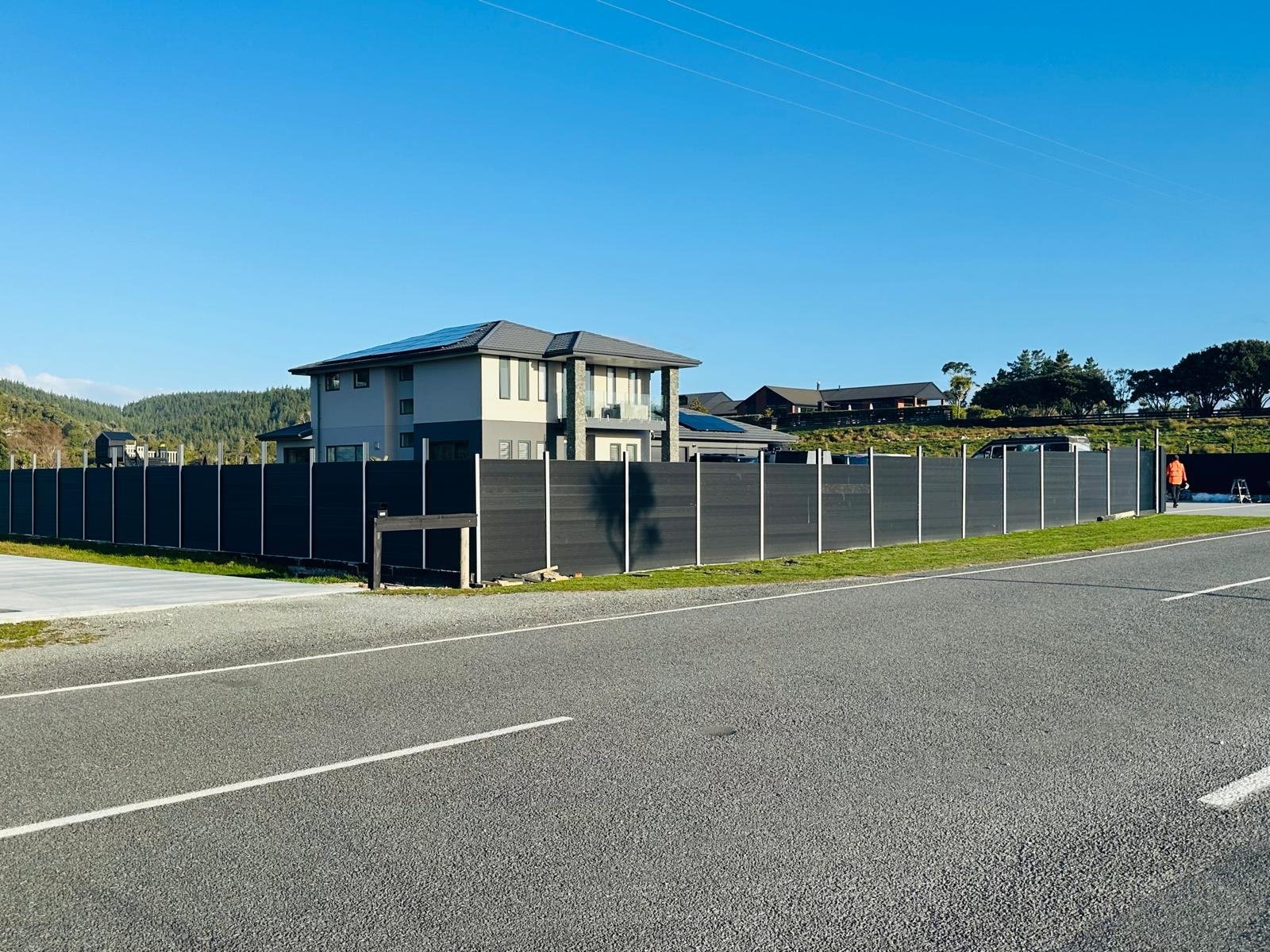
A new fence is one of the simplest ways to add privacy and security to a section, but in New Zealand three sets of rules decide what you can build: the Building Act, your council's district plan, and the Fencing Act when the fence is on a shared boundary. Here is how they fit together.
How high can a fence be without building consent?
Under Schedule 1 of the Building Act (clause 21), a fence up to 2.5 metres high above the supporting ground does not need building consent. Higher fences do. The exemption does not cover pool fences, which have their own safety requirements, or retaining walls holding back ground, which are covered separately.
Even an exempt fence must be built properly. It has to stand up to wind and must not create a hazard.
District plan rules can be stricter
Building consent is only one test. Your council's district plan often limits fence height along the road frontage, sometimes to keep a view of the street for safety and street character, and can set rules on boundary fences too. A fence that needs no building consent can still need resource consent if it breaks a district plan rule. Check your council's rules for your zone before you build. Our consent guide links to each council we work with.
Sharing a boundary fence: the Fencing Act
The Fencing Act 1978 covers fences on the boundary between two properties. In broad terms:
- Unless agreed otherwise, neighbours share the cost of work on an adequate boundary fence in equal shares.
- If you want to build or replace one and share the cost, you give your neighbour a fencing notice (section 10). It must say where the fence will go and describe the work and materials in enough detail for your neighbour to estimate the cost.
- Your neighbour has 21 days to serve a cross-notice objecting or proposing something different. Fencing disputes can be heard by the Disputes Tribunal or the District Court.
- If you want a fence that is higher or more expensive than an adequate fence, you may be paying the extra yourself.
Talking to your neighbour before the formal notice usually makes the process much smoother.
Adding a privacy screen to an existing fence
A common question is how to attach a privacy screen to a fence that is not tall enough. Before you add height, remember the total height counts: the 2.5 m consent limit and your district plan limits apply to the fence and the screen together. The existing posts also have to carry the extra wind load of a taller, more solid screen, which they may not have been designed for. Often a new fence at the right height is the better result.
Choosing a fence material
Timber is the traditional choice but needs painting or staining to last. Our PVC fencing is a low-maintenance vinyl that needs no sanding or painting, has an aluminium-reinforced bottom rail, and copes with rain and moisture better than wood. Our post on WPC vs PVC fencing compares the two, and the fencing cost guide explains what affects the price per metre.
Before you build
- Confirm where the boundary actually is.
- Check height limits in your district plan, especially at the road frontage.
- Talk to your neighbour, and give a fencing notice if you want to share costs.
- Check for underground services before digging post holes.
- Choose a material you are happy to maintain.
We build fences and gates designed to match the rest of your outdoor area. Book a free measure and quote with your nearest branch.