
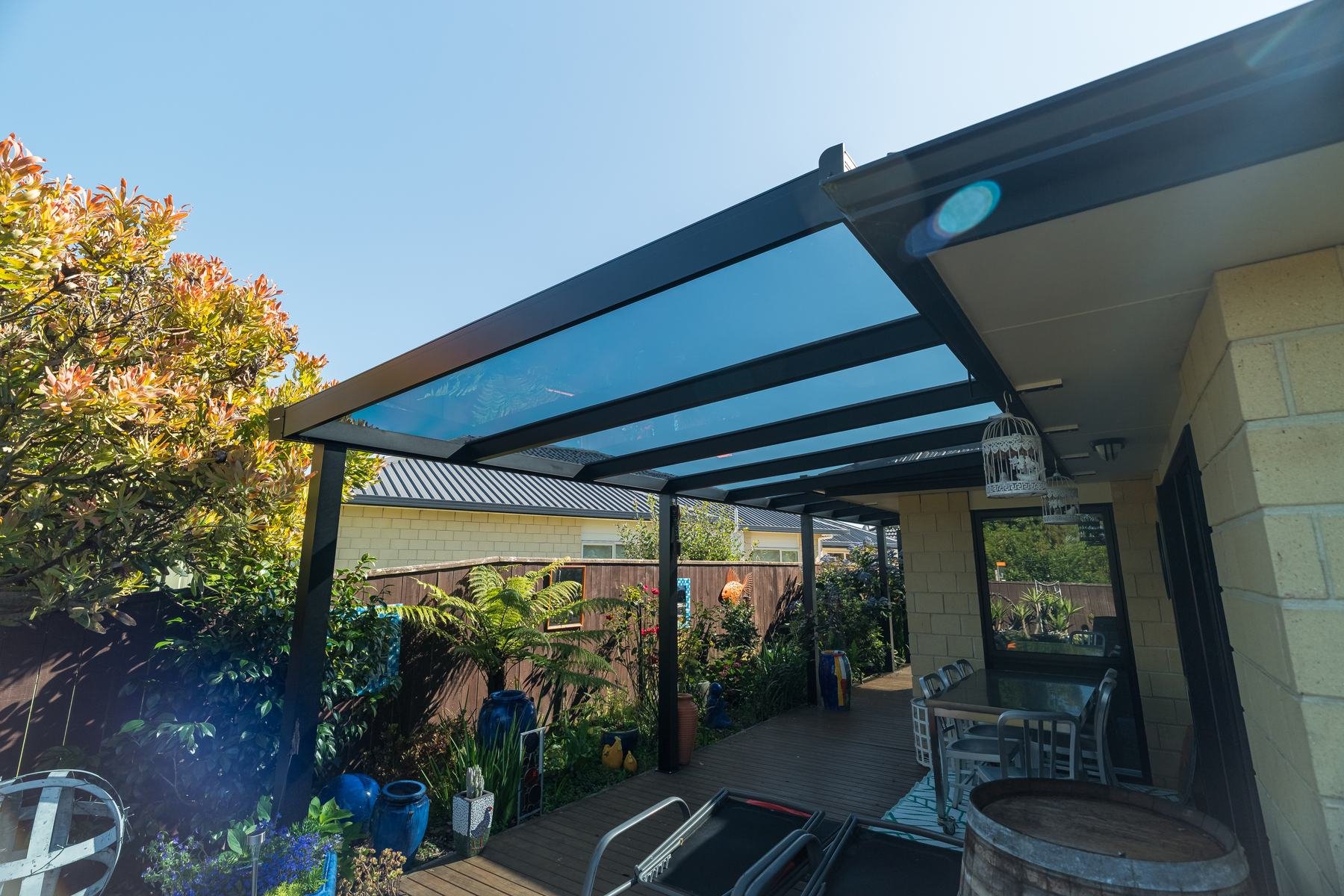
Impact Outdoors backs every installation with a 5-year roof warranty and a 10-year structural warranty, and roofing materials that are weather-resistant, fire-rated and provide up to 99.9-100% UV protection depending on the product.
Why structural and roof warranties are usually separate
A structural warranty covers the frame itself - the posts, beams and fixings that hold the structure up - while a roof warranty (or product warranty on moving parts like a louvre blade motor) covers the roofing material and, where applicable, the mechanism. These are commonly different lengths because they cover genuinely different failure modes: a frame failing structurally is a different risk profile to a roof panel discolouring or a motor wearing out, so don't assume a single headline number covers everything.
What to ask any supplier
- The exact roof warranty period, in writing, not just a verbal assurance
- The exact structural warranty period, in writing.
- Whether moving parts (motors, remote controls, rain sensors on an opening-louvre system) carry a separate, often shorter, warranty term.
- What voids the warranty - unauthorised modifications, using the wrong cleaning products, or exceeding the structure's rated wind/snow loading are common exclusions worth understanding up front.
- Whether the installer carries their own liability insurance for workmanship, separate from the manufacturer's product warranty.
How Impact Outdoors compares
Our Elite Canopies and Opening Louvre roofs carry a 10-year structural warranty with wind ratings of 160km/h and 200km/h respectively; Outdoor Blinds, being a lighter-duty retractable fabric product, carry a 5-year structural warranty. These figures are specific to each product family rather than one blanket number across the whole range, which is exactly the kind of detail worth asking any supplier to confirm for the specific product you're considering.
Read the full warranty terms Read our full buyer guide
Making a warranty claim
Keep your original quote, invoice and any written warranty confirmation from the start of the project - if an issue comes up years later, having the exact warranty terms and installation date on hand makes a claim straightforward rather than a guessing game about what was originally agreed. Photograph any defect when you first notice it, and report it to the installer promptly rather than waiting, since some warranty terms specify a reporting window.
How this compares to industry norms
A 10-year structural warranty on an aluminium roof structure is a genuinely strong term in the NZ outdoor-structures market - some competitors offer shorter structural cover or bundle everything into one ambiguous warranty figure rather than separating structural, roofing and moving-parts cover the way this guide recommends asking about. The clearer a supplier's warranty documentation is before you sign anything, the fewer surprises later.